NUTRITION & DIET
Pellets: Choosing the Right One for Your Bird
Walk into a pet store or search online for parrot pellets and you’ll find plenty of choices. Different ingredients, colors, shapes, formulas, and claims can make choosing one confusing. Understanding what pellets are and what to look for can help you make a more informed choice for your bird.
Little Loud Soul Bird Rescue • Education Library
What Are Pellets?
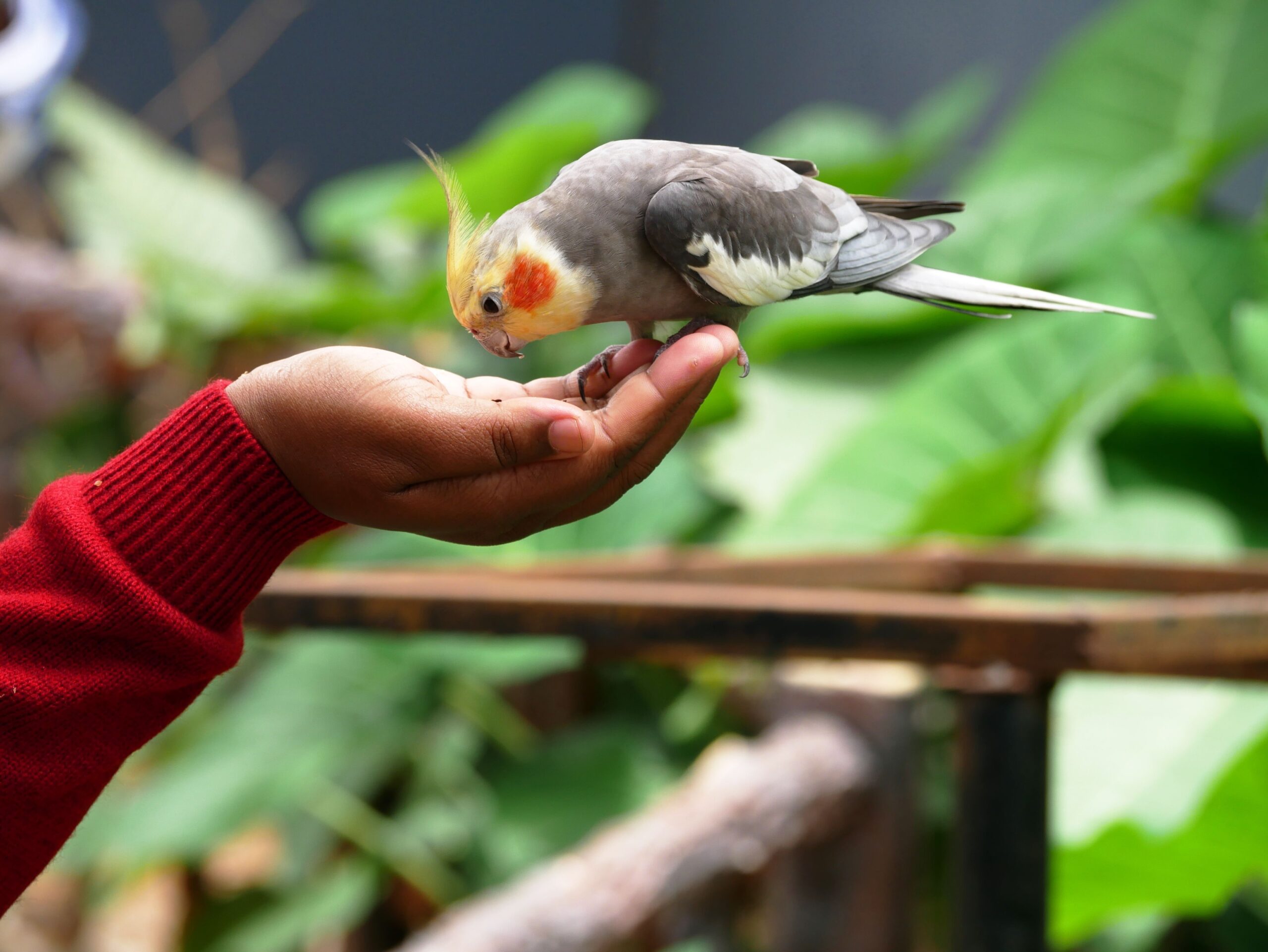
Pellets are formulated foods designed to provide a more consistent balance of nutrients than a bird can typically get by picking through a seed mix. Ingredients are combined so that each bite contains a similar nutritional profile, helping prevent birds from simply choosing their favorite foods and leaving the rest behind.
For many companion parrots, pellets can be an important part of a varied diet that also includes appropriate fresh foods.
Pellets aren’t all the same, though. Ingredients, nutritional profiles, processing methods, added colors, sweeteners, and formulas can vary considerably between brands.
PELLETS ARE PART OF THE BIGGER PICTURE
Pellets can provide a reliable nutritional foundation, but nutrition doesn’t have to stop at pellets. Fresh vegetables, leafy greens, and other appropriate whole foods can provide additional variety and enrichment.
What Should I Look For?
🌾 Ingredients
Take a look at the ingredient list rather than relying only on the front of the bag. Ingredients and formulations vary between pellet brands, so it’s worth knowing what you’re actually feeding.
🎨 Colors & Additives
Some pellets contain artificial colors, flavors, or other additives. These aren’t necessary for making a pellet nutritionally complete, so they’re something you may choose to consider when comparing foods.
🍬 Added Sugar
Check ingredient lists for added sugars and sweeteners. Naturally occurring sugars in ingredients are different from sweeteners added specifically to make a food more appealing.
🦜 Appropriate Formula
Some manufacturers offer different formulas based on bird size, species, life stage, or specific nutritional needs. Choose a pellet that’s appropriate for the bird you’re feeding.
📅 Freshness
Check expiration dates and follow the manufacturer’s storage instructions. Buy an amount your bird can reasonably use while the food is still fresh.
🩺 Your Individual Bird
There isn’t one pellet that’s automatically best for every parrot. Health conditions, age, species, activity level, weight, and veterinary recommendations can affect which food is appropriate.
Does Pellet Size Matter?
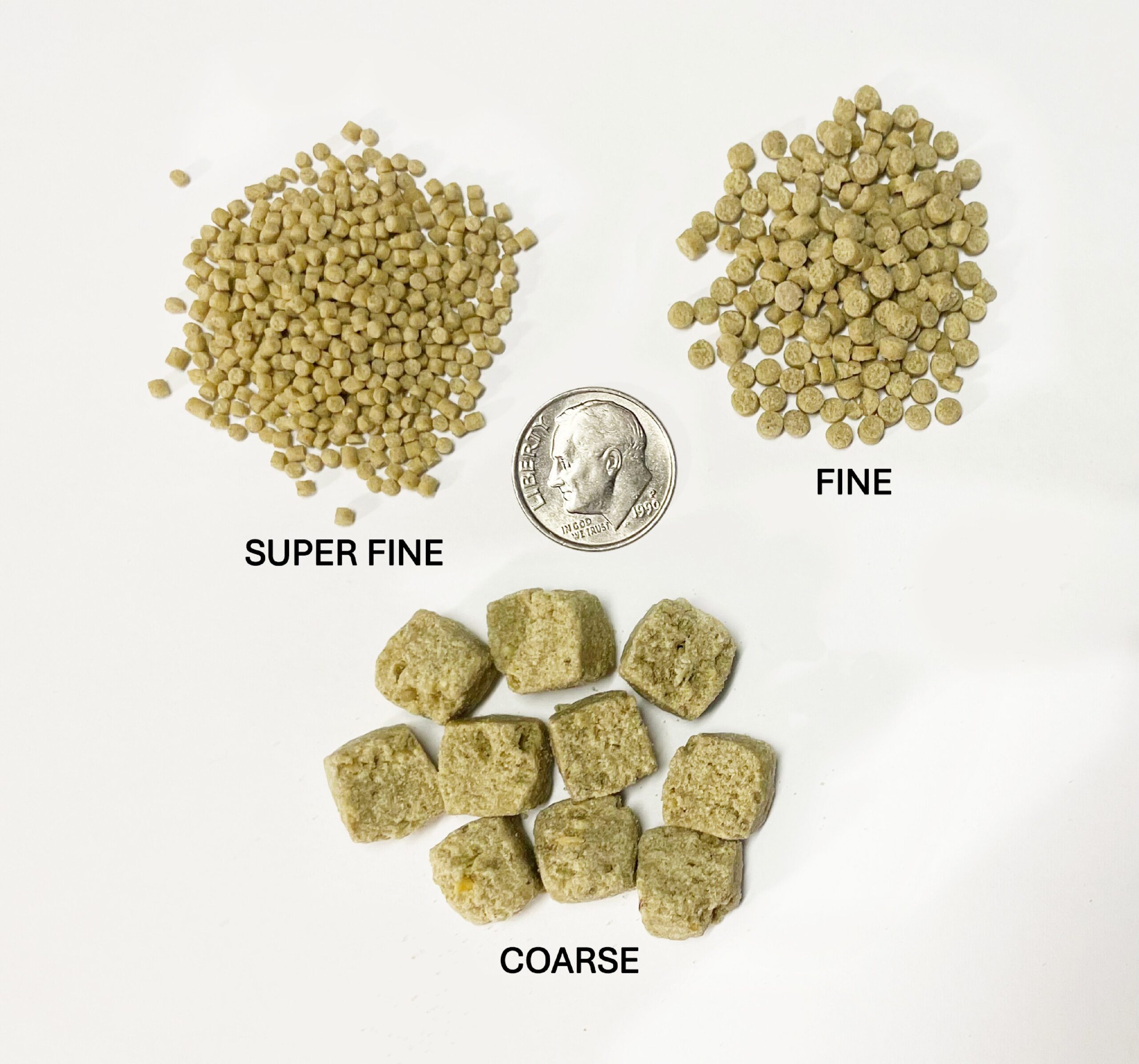
Pellet size is often more about what your bird is comfortable eating than the size of the bird itself.
Some large parrots enjoy holding larger pellets in their feet, while others prefer smaller pieces. Smaller birds may need a size that’s easier for them to manipulate and eat.
If your bird wastes a lot of food by crushing large pellets into dust, experimenting with a smaller size may help.
“Chop” is simply a mixture of fresh foods prepared in bird-friendly pieces. There isn’t one perfect chop recipe. Using a variety of ingredients and rotating what you offer can expose your bird to different flavors, colors, and textures.
Don’t be discouraged if your bird ignores a new food at first. Parrots can be suspicious of unfamiliar foods and may need to see something many times before deciding to try it. Keep offering variety without forcing it.
LITTLE LOUD SOUL TIP
Don’t be afraid to try a different pellet size if your bird isn’t interested in the one you’re offering. Sometimes changing the shape or size makes a surprisingly big difference.
How Much Pellet Should My Bird Eat?
There is no single pellet-to-fresh-food ratio that’s appropriate for every parrot. Dietary needs can differ between species and individual birds, and some medical conditions can significantly change nutritional recommendations.
Rather than focusing on one percentage for every bird, consider the bird’s complete diet and work with an avian veterinarian when determining what’s appropriate for your individual bird.
Switching to Pellets
If a bird has eaten primarily seed or another familiar food for years, they may not immediately recognize pellets as food.
Never assume your bird is eating pellets simply because they’re available in the bowl. Birds can pick around unfamiliar foods or even pretend to investigate them without actually consuming much.
Introduce a new diet gradually while monitoring what your bird actually eats.
Then make 3 steps:
01 • Introduce
Offer the new pellet while your bird still has access to foods they recognize and eat.
02 • Encourage
Experiment with presentation, pellet size, and offering pellets during times when your bird is most interested in food.
03 • Monitor
Use a gram scale to monitor weight and watch food intake closely throughout the transition.
⚠️ IMPORTANT
Never starve a bird into eating a new food. If your bird isn’t eating enough, is losing weight, or you’re having difficulty with a diet conversion, contact an avian veterinarian.
What We Use at Little Loud Soul
At Little Loud Soul, we care for birds with different backgrounds, preferences, species, ages, and health needs. That means we don’t necessarily feed every bird exactly the same thing.
We’ve put together a separate guide to the pellets and other foods we currently use and trust with birds in our care.
IMPORTANT
Never try to “wait out” a bird that refuses a new diet. Parrots can become seriously ill if they aren’t consuming enough food. Diet conversion should be gradual and monitored.
NUTRITION & DIET
Parrot Nutrition: Building a Healthy, Balanced Diet
Get a broader look at pellets, fresh foods, treats, and variety as part of a balanced diet.
NUTRITION & DIET
Fresh Foods & Chop: Adding Variety to the Bowl
Explore fresh ingredients, chop preparation, storage, and ways to encourage your bird to try new foods.
Educational Disclaimer
The information provided by Little Loud Soul Bird Rescue is intended for general educational purposes and is not a substitute for veterinary care. Every bird is different. Always consult a qualified avian veterinarian regarding your bird’s individual health and nutritional needs.