NUTRITION & DIET
Fresh Foods & Chop: Adding Variety to the Bowl
Fresh foods are a great way to bring variety, color, texture, and nutrition into your bird’s bowl. From leafy greens and vegetables to grains, legumes, and herbs, there are plenty of ways to make fresh foods part of your bird’s routine.
Little Loud Soul Bird Rescue • Education Library
What Is Bird Chop?
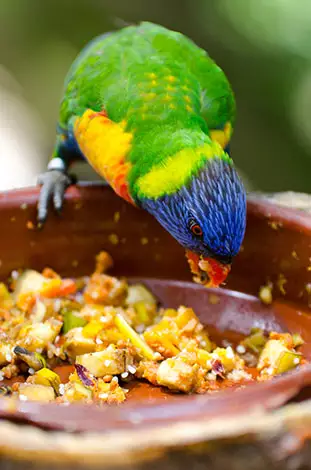
Bird chop is simply a mixture of bird-safe fresh foods prepared into smaller pieces and served together. There isn’t one specific recipe or list of ingredients that every bird needs. Chop can look different from one home to another and even from one batch to the next.
A mixture might include vegetables, leafy greens, cooked grains, properly prepared legumes, herbs, and other bird-safe ingredients. Rotating ingredients is a great way to introduce different flavors, textures, and nutrients over time.
Chop can also make it easier to introduce unfamiliar foods. When different ingredients are mixed together, birds may taste something new while digging through the bowl for foods they already recognize.
VARIETY OVER PERFECTION
You don’t need a huge list of ingredients to make a good chop. Start simple, use bird-safe foods, and rotate ingredients over time. What matters most is providing variety and finding healthy foods your bird will actually eat.
What Can I Put in Chop?
Chop can include a colorful variety of fresh, bird safe ingredients. Mix, match, and rotate foods to keep every bowl interesting!
🥬 Leafy Greens
- Kale
- Collard greens
- Mustard greens
- Turnip greens
- Dandelion greens
- Bok choy
- Swiss chard
- Romaine lettuce
- Arugula
- Watercress
- Beet greens
- Carrot tops
🥕 Vegetables
- Bell peppers
- Broccoli
- Cauliflower
- Carrots
- Sweet potato
- Winter squash
- Zucchini
- Yellow squash
- Green beans
- Peas
- Corn
- Brussels sprouts
🌾 Grains
- Quinoa
- Brown rice
- Wild rice
- Barley
- Oats
- Buckwheat
- Millet
- Amaranth
- Farro
- Bulgur
- Sorghum
- Wheat berries
🫘 Legumes
- Lentils
- Chickpeas
- Black beans
- Pinto beans
- Kidney beans
- Navy beans
- Great northern beans
- Adzuki beans
- Mung beans
- Green peas
- Black-eyed peas
- Cannellini beans
🌿 Herbs
- Cilantro
- Basil
- Parsley
- Dill
- Mint
- Oregano
- Thyme
- Rosemary
- Sage
- Lemon balm
- Marjoram
- Tarragon
🍓 Fruits
- Blueberries
- Strawberries
- Raspberries
- Blackberries
- Apples
- Pears
- Mango
- Papaya
- Pomegranate
- Kiwi
- Pineapple
- Melon
🌱 Sprouts
- Mung bean
- Lentil
- Adzuki
- Chickpea
- Green pea
- Sunflower
- Alfalfa sprouts
- Buckwheat
- Millet
- Quinoa
- Broccoli sprouts
- Radish sprouts
🌶️ Extras
- Fresh hot peppers
- Unsweetened coconut
- Chia seeds
- Flaxseed
- Hemp hearts
- Sesame seeds
- Pumpkin seeds
- Milk thistle seed
- Edible flowers
- Chamomile flowers
- Hibiscus flowers
- Rose petals
NOT SURE ABOUT AN INGREDIENT?
When in doubt, check that a food is bird safe before adding it to your bird’s bowl. Some foods that are safe for people can be dangerous for parrots.
Preparing Chop
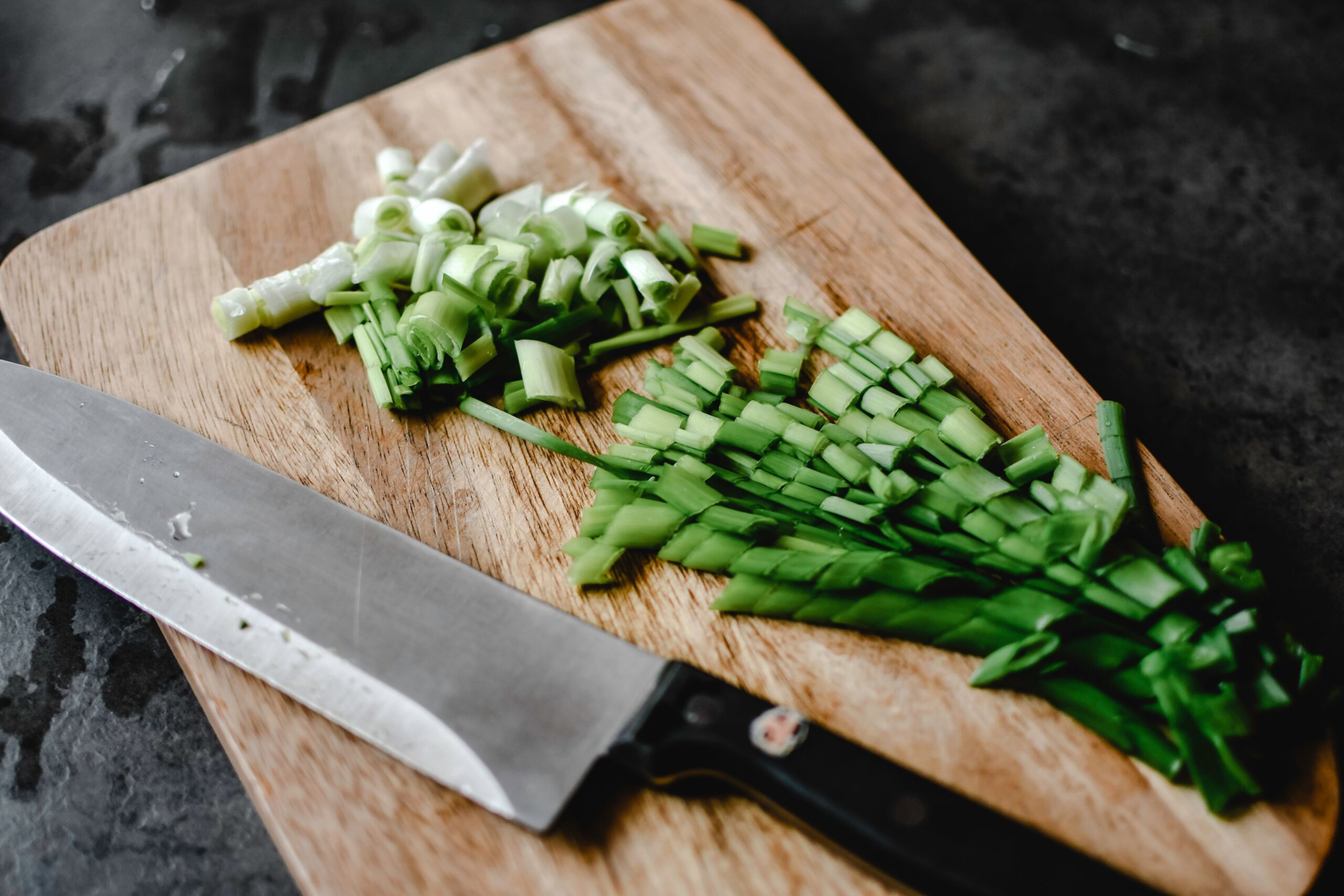
Preparing chop doesn’t have to be complicated. A little washing, chopping, and planning can make it easy to keep fresh foods in your bird’s routine.
1. 🥬 Wash
Wash fresh produce thoroughly and remove any spoiled or damaged portions before preparing.
2. 🔪 Chop
Cut ingredients into bird-friendly pieces. Try different sizes and textures to see what your bird prefers.
3. 🥣 Mix
Combine a variety of ingredients. You don’t need to use every ingredient in every batch.
4. ❄️ Portion & Store
Divide larger batches into smaller portions so you can easily refrigerate or freeze what you won’t use right away.
Storing & Freezing Chop
Fresh chop can spoil quickly, especially once it’s sitting in a bird’s bowl. Proper storage helps keep ingredients fresh and reduces the risk of bacterial growth.
For larger batches, portioning chop before freezing makes it easier to thaw only what you need. Small freezer-safe containers, silicone trays, or freezer bags can all work well.
Thaw frozen portions in the refrigerator rather than leaving them on the counter. Once thawed, avoid repeatedly freezing and thawing the same portion.
RESCUE TIP
We like making chop in batches and freezing individual portions. It saves time and makes it much easier to offer variety without preparing a full batch every day.
Getting Your Bird to Try Fresh Foods
Some parrots dive right into a bowl of fresh food. Others look at a piece of broccoli like you’ve personally offended them. That’s normal.
If your bird isn’t interested right away, keep offering fresh foods without forcing them. Try changing the size, texture, presentation, or location of the food. A vegetable ignored in a bowl might suddenly become interesting when clipped to the cage, offered during training, or incorporated into a foraging activity.
Eating near your bird or showing interest in the food can also encourage some parrots to investigate. The goal is repeated, positive exposure rather than expecting them to eat everything on the first try.
Whole • Chopped • Shredded • Cooked • Raw • Hung • Foraged • Mixed
Sometimes changing how a food is offered makes all the difference.
Fresh Food Safety
Fresh foods require a little more attention than dry foods. Proper washing, preparation, storage, and cleanup help keep your bird’s meals fresh and safe.
🧼 Wash Thoroughly
Wash produce before preparing it and remove anything spoiled, moldy, or damaged.
⏱️ Don’t Leave It Sitting
Fresh and cooked foods can spoil much faster than dry foods. Remove uneaten food promptly, especially in warm conditions.
❄️ Store It Safely
Keep prepared fresh foods refrigerated or frozen as appropriate. Discard anything that smells unusual, looks spoiled, or has been stored improperly.
🥣 Keep Bowls Clean
Wash food bowls after fresh meals and don’t continually add new food on top of old leftovers.
Foods That Should Stay Out of the Bowl
Not everything in our kitchens belongs in a parrot’s bowl. Some human foods and ingredients can be harmful or toxic to birds, while others are simply too salty, sugary, fatty, or highly processed to be appropriate regular foods.
Avoid foods such as:
Avocado • Chocolate • Alcohol • Caffeine • Onion • Garlic • Foods containing xylitol • Very salty or heavily processed foods
Important: For fruit with pits or seeds that may be unsafe, prepare the fruit appropriately before offering it.
NUTRITION & DIET
Parrot Nutrition: Building a Healthy, Balanced Diet
Learn how pellets, fresh foods, treats, and variety can work together as part of your bird’s overall diet.
NUTRITION & DIET
Pellets: Choosing the Right One for Your Bird
Learn what to consider when selecting a pellet and how to introduce a new formulated diet safely.
Don't Forget the Individual Bird
Every bird is different. Species, age, health, activity level, current diet, and individual preferences can all affect which foods and feeding routines are appropriate.
Fresh foods can be a wonderful part of a varied diet, but they don’t replace individualized veterinary guidance. Birds with medical conditions or special nutritional needs may require a diet specifically recommended by their avian veterinarian.
THE GOAL ISN'T A PERFECT BOWL
A healthy diet doesn’t have to look exactly the same every day. Focus on providing appropriate foods, offering variety over time, and paying attention to what your bird actually eats.
Educational Disclaimer
The information provided by Little Loud Soul Bird Rescue is intended for general educational purposes and is not a substitute for veterinary care. Every bird is different. Always consult a qualified avian veterinarian regarding your bird’s individual health and nutritional needs.