NUTRITION & DIET
Parrot Nutrition: Building a Healthy, Balanced Diet
Parrot nutrition can feel overwhelming, especially with so much conflicting information out there. A healthy diet isn’t about finding one perfect food. It’s about providing balance, variety, and nutrition that meets your individual bird’s needs.
Little Loud Soul Bird Rescue • Education Library
What Does a Balanced Parrot Diet Look Like?
A balanced diet is about more than simply filling a bowl. Parrots need a variety of nutrients to support their feathers, muscles, organs, immune system, and overall health.
For many companion parrots, a balanced diet includes a quality formulated pellet along with fresh vegetables, leafy greens, and other appropriate whole foods. Seeds, nuts, fruit, and treats can also have a place in the diet, but how much and how often will depend on the individual bird.
There is no single diet or percentage that is perfect for every parrot. A budgie, cockatoo, Amazon, and macaw can have very different nutritional needs. Age, activity level, health conditions, and veterinary recommendations should also be considered.
KEEP IN MIND
Nutrition isn’t one size fits-all. What works well for one bird may not be appropriate for another. When in doubt, work with an avian veterinarian to develop a diet appropriate for your individual bird.
Pellets & Formulated Diets
Pellets are formulated to provide a consistent source of essential vitamins, minerals, and nutrients. For many companion parrots, a quality pellet can be an important part of a balanced diet alongside fresh foods.
Not all pellets are created the same. Ingredients and nutritional profiles vary between brands, so it’s important to choose one that works for your individual bird. Age, species, health, activity level, and recommendations from your avian veterinarian can all play a role in choosing the right diet.
If your bird isn’t currently eating pellets, don’t rush the transition. Some birds need time to recognize a new food as food, especially if they’ve eaten the same diet for years. Make changes gradually and keep a close eye on what they’re actually eating and their weight.
Fresh Foods & Chop
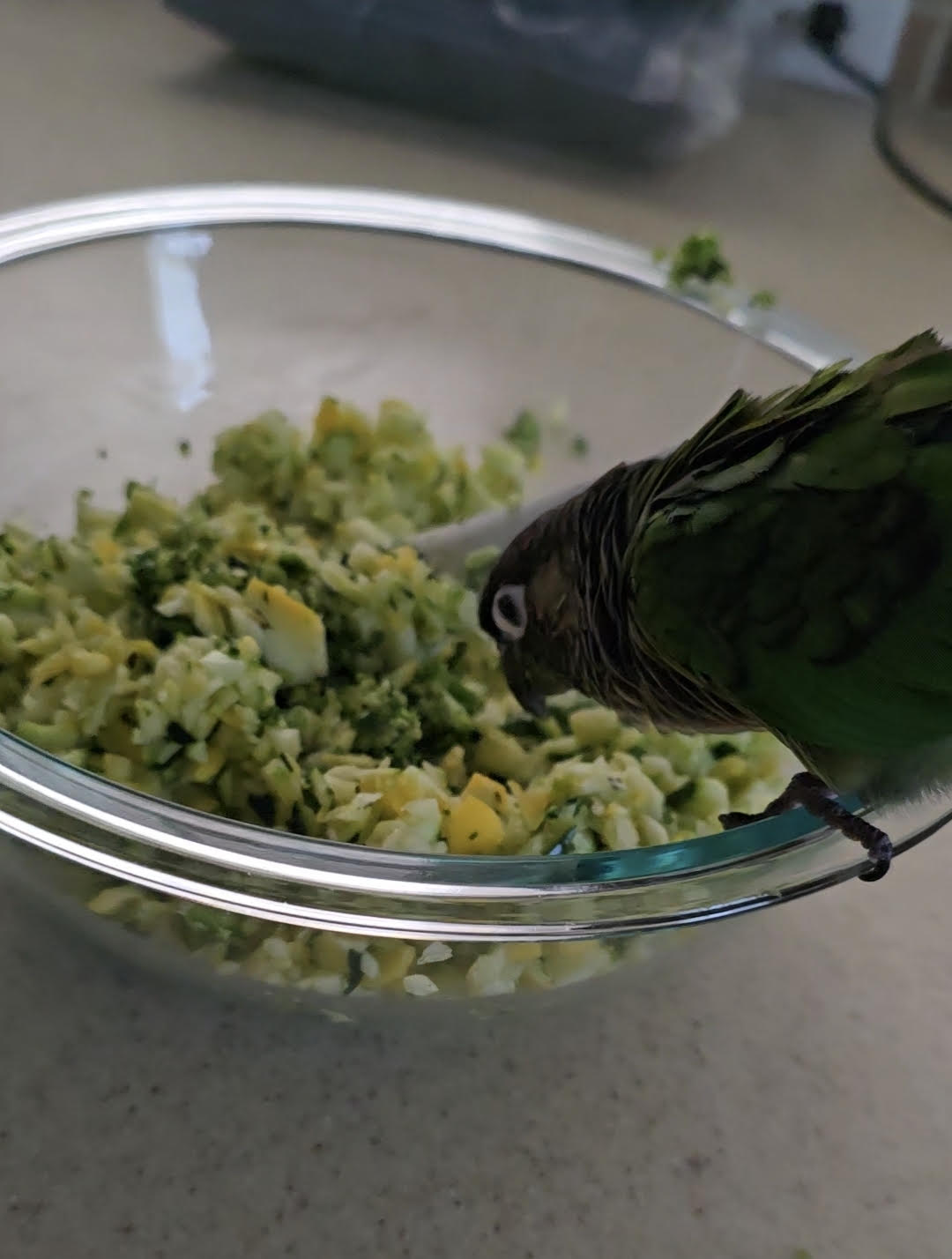
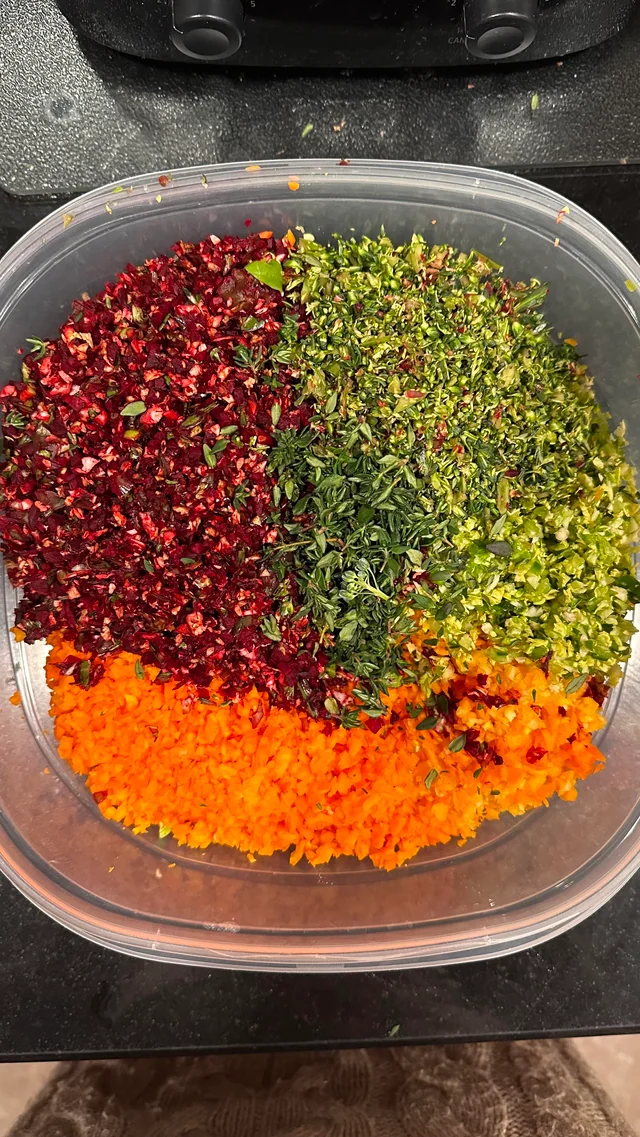
Fresh foods are a great way to add variety, texture, and different nutrients to your bird’s diet. Vegetables and leafy greens can make up a regular part of the fresh foods offered, along with appropriate grains, legumes, herbs, and smaller amounts of fruit.
“Chop” is simply a mixture of fresh foods prepared in bird-friendly pieces. There isn’t one perfect chop recipe. Using a variety of ingredients and rotating what you offer can expose your bird to different flavors, colors, and textures.
Don’t be discouraged if your bird ignores a new food at first. Parrots can be suspicious of unfamiliar foods and may need to see something many times before deciding to try it. Keep offering variety without forcing it.
Seeds, Nuts & Treats
Seeds and nuts aren’t necessarily “bad” foods, but they can be high in fat and shouldn’t automatically make up the majority of a companion parrot’s diet. They can be especially useful as training rewards, foraging foods, or special treats.
How much is appropriate depends on the bird. Some species naturally have different dietary needs, and birds that are very active may have different needs than birds that are less active.
Fruit can also be part of a varied diet, but it doesn’t need to be the main source of fresh food. Offering plenty of vegetables and leafy greens helps provide greater variety without relying heavily on sweeter foods.
VARIETY MATTERS
Offering different colors, textures, shapes, and ways of presenting food can make mealtime more interesting. A bird that refuses a whole carrot may happily investigate it shredded, chopped, cooked, or offered as part of a foraging activity.
Every Bird Is Different
A bird’s nutritional needs can vary based on species, age, activity level, health, weight, and other individual factors. What works well for one bird may not be the best choice for another.
Birds with certain health conditions may also require dietary changes recommended by their veterinarian. This is one reason regular wellness exams with an avian veterinarian are so important.
Use general nutrition information as a starting point, but pay attention to the individual bird in front of you.
Changing Your Bird's Diet Safely
Diet changes should be made carefully, especially for birds that have eaten the same foods for a long time. Simply removing a familiar food and replacing it with something new can be dangerous if the bird doesn’t recognize the new food as something to eat.
Introduce new foods while making sure your bird continues to eat enough each day. A gram scale can be extremely helpful for monitoring weight during a diet transition.
If your bird is losing weight, refusing food, has a medical condition, or you’re unsure how to safely change their diet, contact an avian veterinarian for guidance.
IMPORTANT
Never try to “wait out” a bird that refuses a new diet. Parrots can become seriously ill if they aren’t consuming enough food. Diet conversion should be gradual and monitored.
The Bottom Line
A healthy parrot diet is built around balance, variety, and the needs of the individual bird. There isn’t one food, brand, or feeding method that is perfect for every parrot.
Focus on providing nutritious foods, introducing variety, monitoring your bird’s weight and eating habits, and making changes gradually. As you learn what works for your bird, remember that nutrition is only one part of their overall health and wellbeing.
When you’re unsure about your bird’s nutritional needs or you’re making significant changes to their diet, an avian veterinarian should always be your best resource.
FRESH FOODS & CHOP
Fresh Foods & Chop: Adding Variety to the Bowl
Learn more about choosing fresh ingredients, preparing chop, food safety, and ways to encourage your bird to try new foods.
NUTRITION & DIET
Pellets: Choosing the Right One for Your Bird
Learn what to consider when choosing a pellet, how different formulas compare, and tips for safely transitioning your bird.
Educational Disclaimer
The information provided by Little Loud Soul Bird Rescue is intended for general educational purposes and is not a substitute for veterinary care. Every bird is different. Always consult a qualified avian veterinarian regarding your bird’s individual health and nutritional needs.