Choosing Safe Toys for Your Bird
SAFE PLAY STARTS WITH YOU
Choose the Right Size
Look at the Materials
Watch the Hardware
Be Careful With Rope & Fibers
Check for Entrapment Hazards
Inspect Toys Regularly
Toys are an important part of a parrot’s environment, but not every toy marketed for birds is appropriate for every bird. Size, materials, construction, and even the way your individual bird plays can affect whether a toy is a good choice.
Parrots explore everything with their beaks and feet. Choosing the right materials, size, and construction, then checking toys regularly, helps keep playtime fun without unnecessary risks.
A toy that is appropriate for a cockatiel may not hold up to the beak of a macaw, while toys made for large parrots can have openings or hardware that create hazards for smaller birds.
Choose toys appropriate for your bird’s:
If your bird destroys toys quickly, check them more frequently and replace them when necessary.
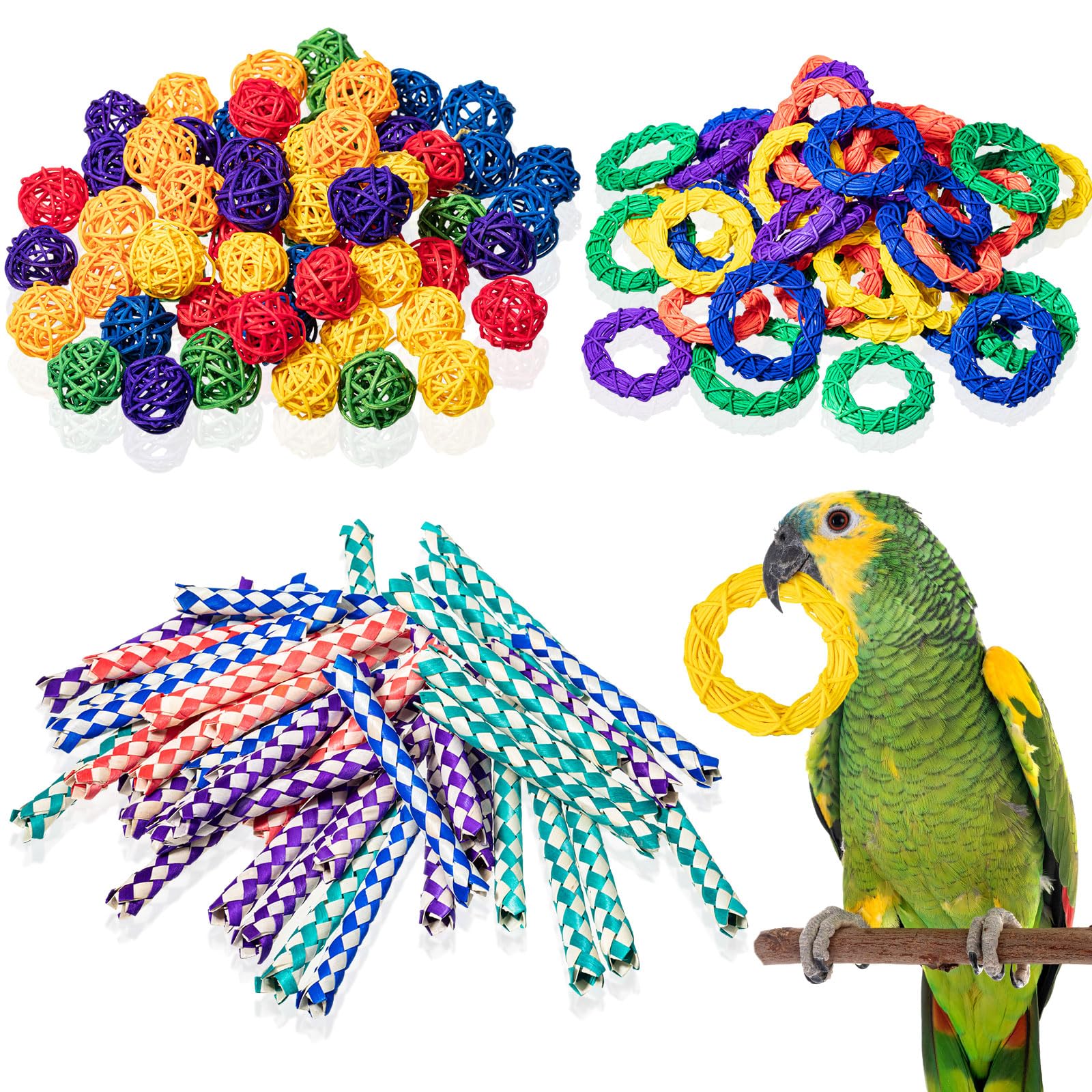
Some of our favorite toy materials include:
Natural and destructible materials are great for encouraging chewing, shredding, and exploration.
Always make sure materials are untreated and appropriate for birds.
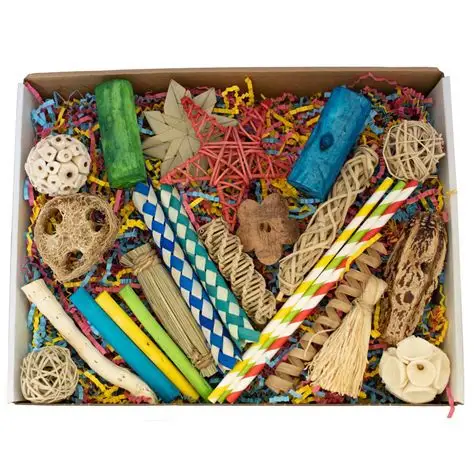
Don’t forget to inspect the pieces holding the toy together.
Stainless steel is generally preferred for metal components because parrots may chew directly on bells, chains, clips, and other hardware.
Watch for:
If you are unsure what a metal is made from, it is better to choose another option.
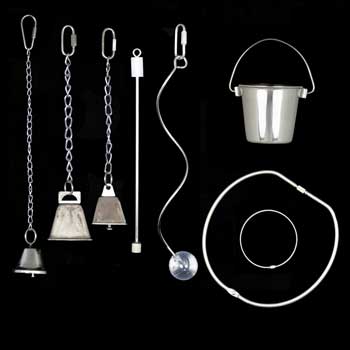
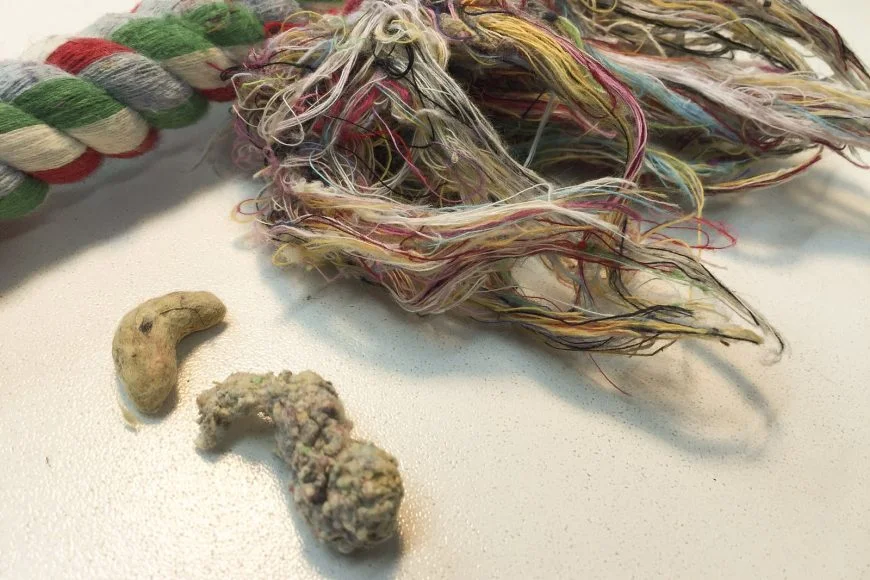
Rope toys and soft fibers require extra attention. Loose or frayed fibers can create an entanglement hazard, and birds that chew and ingest fibers may be at risk for serious digestive problems. Inspect rope frequently and remove it if you notice significant fraying, loose strands, or evidence that your bird is eating the fibers.
Parrots have an incredible ability to put their heads, feet, and beaks into places we never expected.
Look carefully at:
Ask yourself whether your bird could get a toe, foot, beak, wing, or head caught as the toy is played with and destroyed.
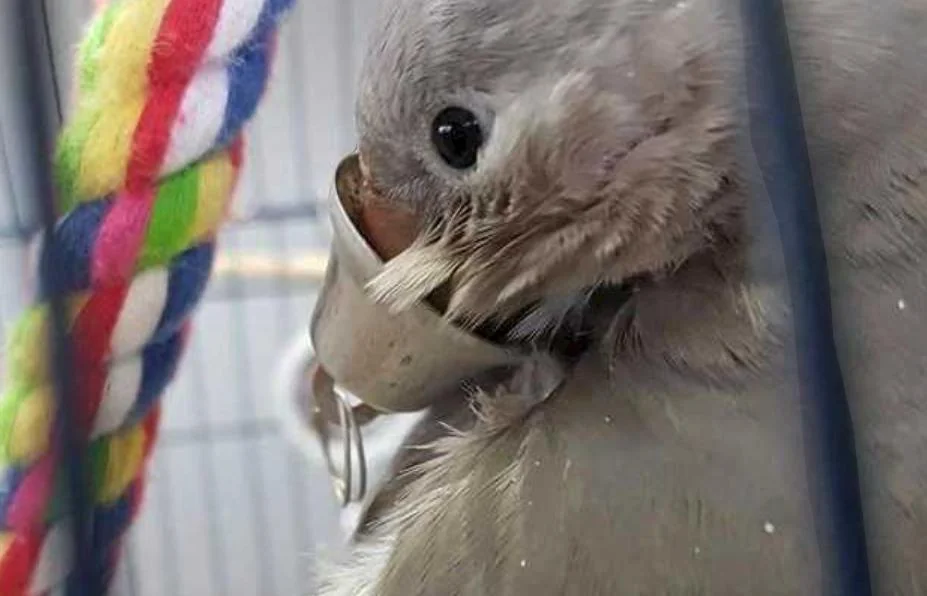
A toy that was safe when you bought it may become unsafe after your bird spends a week destroying it.
Regularly check toys for:
A well-loved toy may eventually need to be repaired or replaced.
There is no single toy that is perfect for every parrot. One bird may gently preen a rope toy while another immediately tries to eat it. One may carefully shred cardboard while another destroys everything within minutes. Pay attention to how your bird actually interacts with a toy, not just what the package says it is designed for. New toys should be introduced with supervision until you understand how your bird plays with them.
Parrots are supposed to chew, shred, rip, forage, climb, and destroy things.
Choosing safe toys is not about preventing those behaviors. It is about giving your bird appropriate ways to express them.
Choose toys that fit your bird, inspect them often, and let that busy little beak get to work.