Bringing Home a New Bird
NEW BIRD BASICS
Give Them Time to Settle In
Start With a Routine
Don't Rush the Relationship
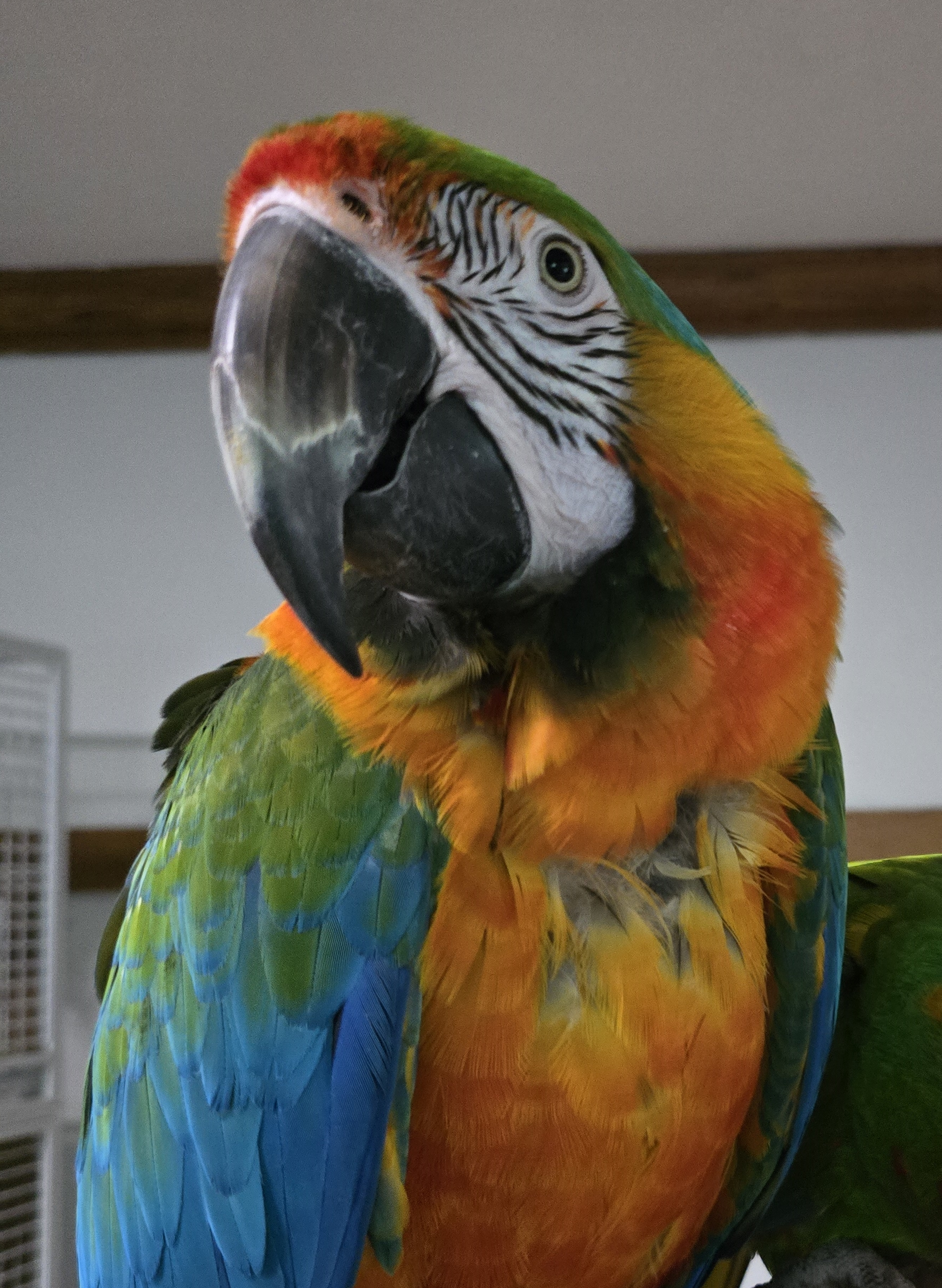

Bringing home a new bird is exciting, but for your bird, everything just changed. New people, new sounds, a new cage, and an entirely new routine can be overwhelming.
The first few days are about helping your bird feel safe, comfortable, and secure, not rushing to build a bond.
Every bird adjusts differently. Some may want attention right away, while others need days or weeks before they feel comfortable. During the first few days:
Let your bird decide when they are ready for more interaction.
Parrots often feel more secure when they know what to expect. Try to establish consistent times for waking up, meals, out-of-cage time, interaction, and bedtime. Aim for around 10 to 12 hours of quiet, uninterrupted sleep each night. Your routine does not have to be perfect. Consistency simply helps your new bird learn what life in their new home looks like.
It can be tempting to immediately start holding, petting, and introducing your bird to everyone in the family.
Instead, focus on building trust.
Offer treats, sit near the cage, talk to them, and pay attention to their body language. Respect when they move away or show that they are uncomfortable.
Trust built at your bird’s pace creates a much stronger foundation than interaction that is forced.
Moving is already a big change. Avoid suddenly changing your bird’s entire diet at the same time.
Find out what your bird was eating before coming home and initially offer familiar foods. If their diet needs improvement, transition gradually once they are settling in and eating reliably.
Monitor their appetite closely during this period.
A new bird should not immediately share space, cages, food bowls, toys, or out-of-cage time with your existing birds. Keep your new bird in a separate area during the quarantine period and wash your hands between handling birds and their supplies. Do not rush introductions once quarantine is complete. Birds should be introduced gradually and supervised carefully.
A new bird should establish care with an avian veterinarian, even if they appear healthy.
A wellness exam gives your veterinarian a baseline for your bird and provides an opportunity to discuss diet, weight, appropriate testing, and any health concerns.
If you already have birds at home, veterinary care and proper quarantine become especially important.
During the adjustment period, pay attention to your bird’s:
Some nervousness is expected in a new environment, but significant or concerning changes should not automatically be blamed on stress.
If something does not seem right, contact your avian veterinarian.
our new bird does not need to love you on the first day.
They need to learn that their new home is safe, their needs will be met, and their boundaries will be respected.
Be patient, stay consistent, and let the relationship develop at their pace. There is plenty of time to become best friends.
The information provided by Little Loud Soul Bird Rescue is intended for general educational purposes and is not a substitute for veterinary care. Every bird is different. Always consult a qualified avian veterinarian regarding your bird’s individual health and nutritional needs.