BEHAVIOR & BODY LANGUAGE
Understanding What Your Bird Is Trying to Tell You
Eye Pinning
Fluffed Feathers
Relaxed & Comfortable
LITTLE LOUD SOUL TIP
Excited or Overstimulated
Fear & Stress
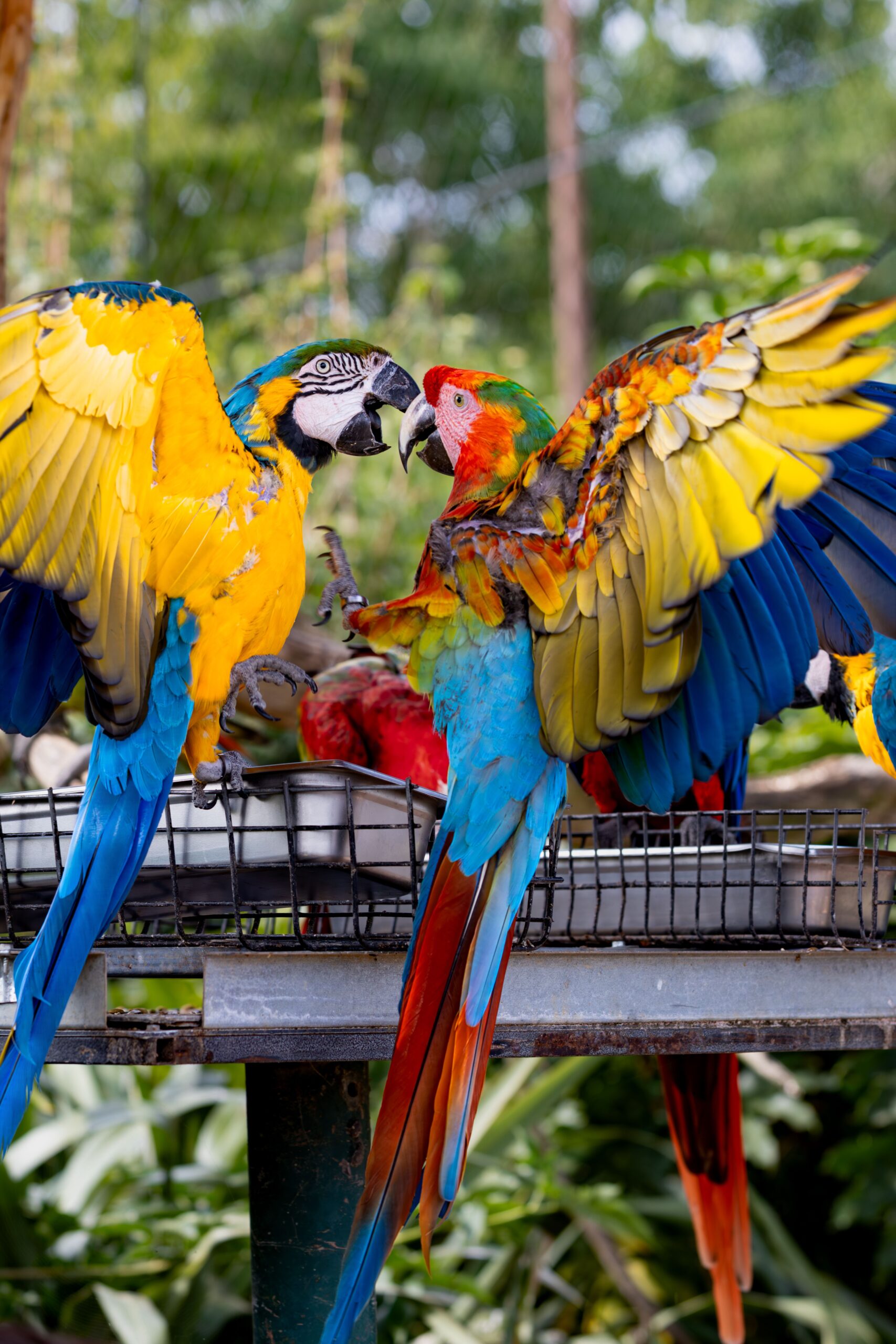
Parrots communicate constantly — just not always with words. Their eyes, feathers, posture, wings, tail, beak, and even the way they hold their body can tell you whether they’re relaxed, excited, nervous, overstimulated, afraid, or asking for space.
Learning your bird’s body language can help you build trust, prevent bites, recognize stress, and better understand what your bird needs.
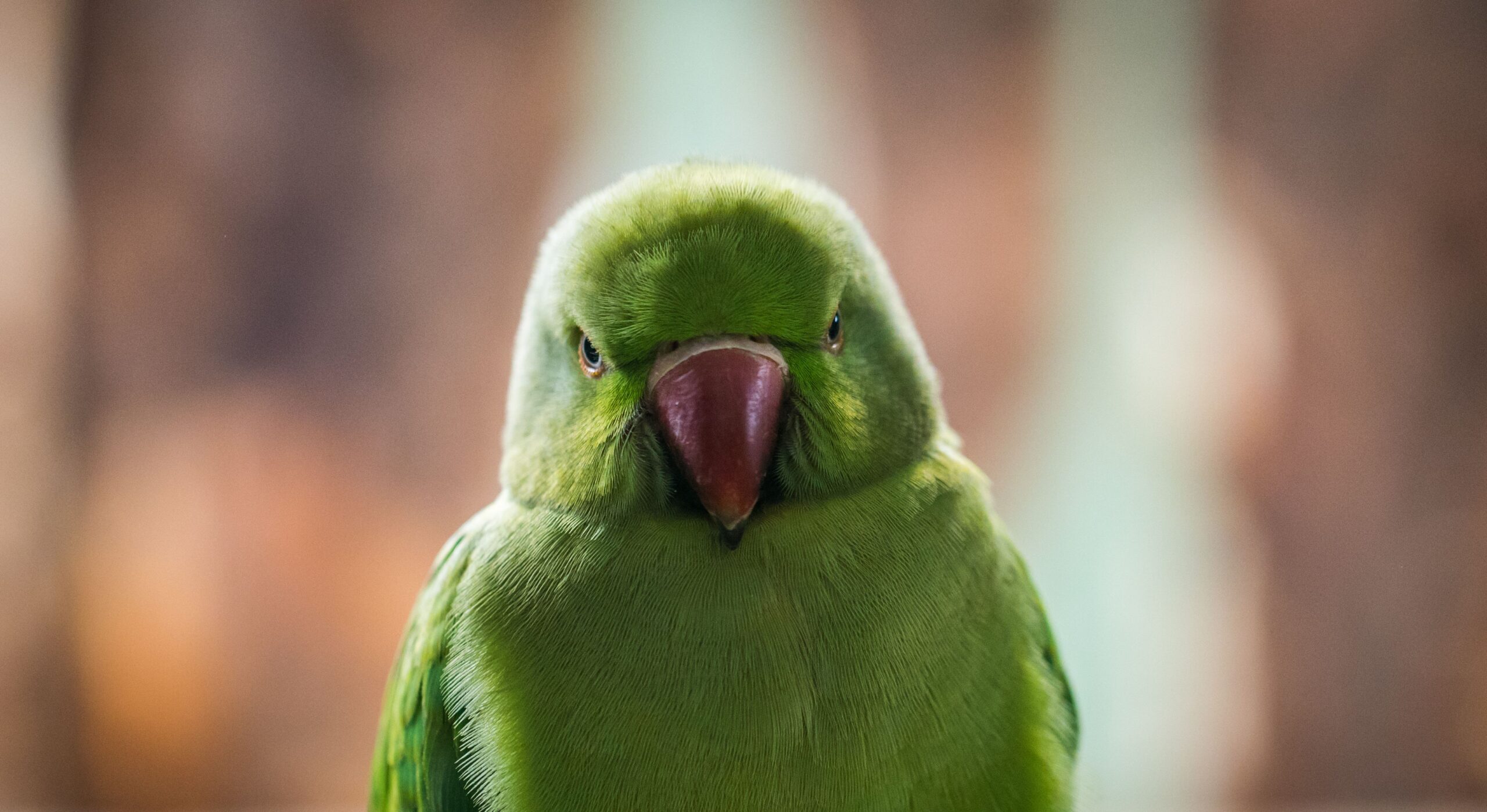
Eye pinning is when a bird’s pupils rapidly get larger and smaller. It can mean excitement, interest, happiness, overstimulation, territorial behavior, or aggression. The eyes alone don’t tell you which one. A bird pinning their eyes while happily talking and leaning toward you may be excited. A bird pinning while standing tall, fanning their tail, and holding their beak open may be warning you to back off. Watch the rest of the body before reaching toward them.
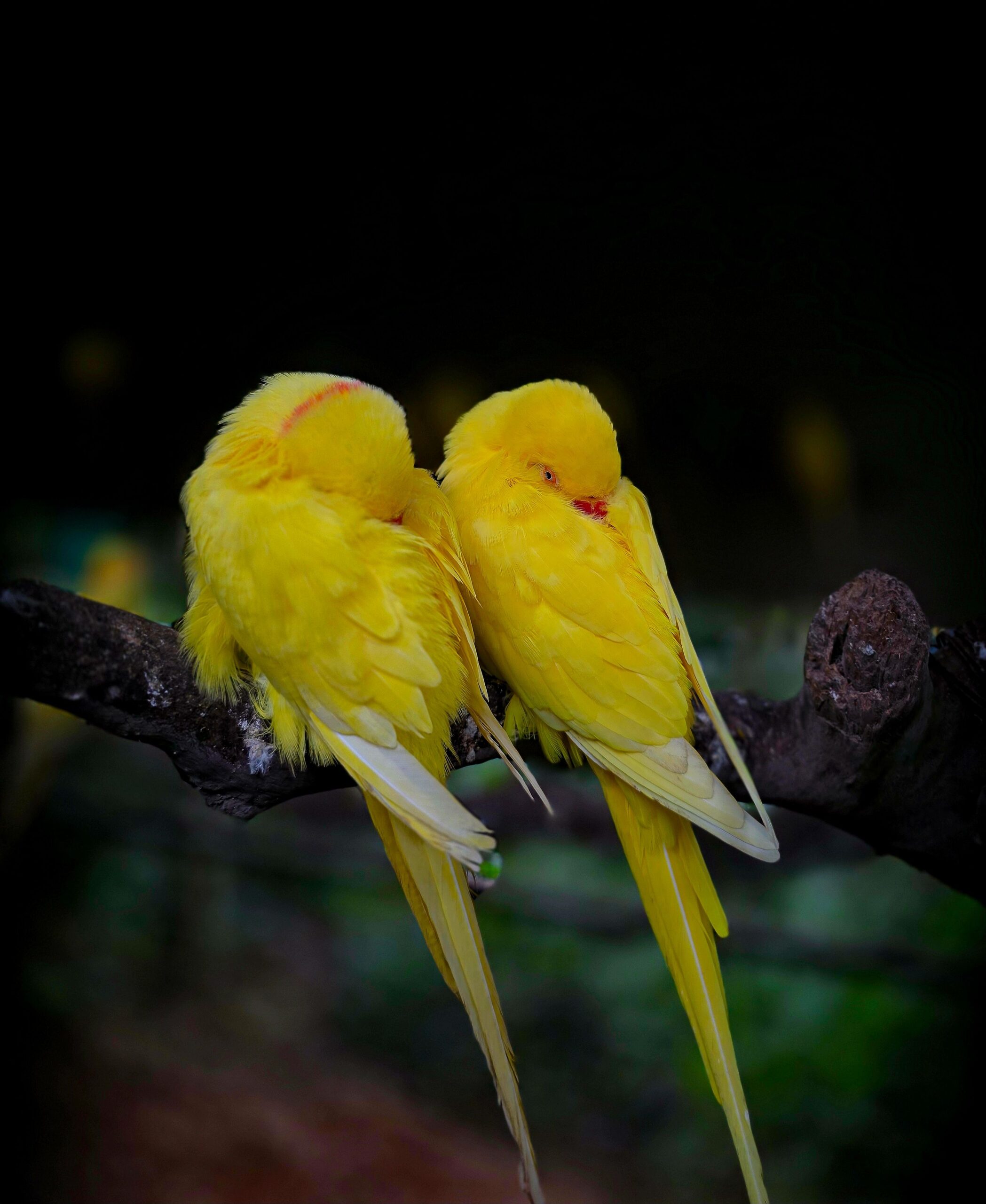
A comfortable bird may briefly fluff their feathers while relaxing, preening, or getting ready to sleep. That’s completely normal. A bird that remains puffed up for a long period, especially while being unusually quiet, sleeping more, sitting low, or showing other changes, may be sick.
Relaxed fluffing = usually normal.
Persistent fluffing + behavior changes = worth paying attention to.
A relaxed bird may:
These are often signs that your bird feels safe in their environment.
Learn your bird’s normal.
No single body-language signal has one universal meaning. Eye pinning can mean excitement or irritation. Fluffed feathers can mean comfortable or sick. A raised crest can mean curious or alarmed. Look at their entire body, what was happening immediately beforehand, and what you already know about that individual bird.
The better you become at noticing the quiet signals, the less your bird has to use the loud ones.
Excitement isn’t necessarily bad — but too much excitement can quickly turn into a bite. You may notice eye pinning, raised feathers, fast movements, louder vocalizations, wing movements, tail fanning, or an intensely focused posture.
If your bird is becoming increasingly worked up, give them some space and time to settle down.
A frightened bird may become very still or make themselves appear thin and elongated. Others may try desperately to escape. You might see tightly held feathers, wide eyes, rapid breathing, leaning away, trembling, frantic climbing or flying, alarm calls, or attempts to hide.
Don’t force interaction with a frightened bird. Give them distance and allow them to choose when they’re ready to engage.
Birds often give several warnings before biting.
Watch for a bird who:
A bite shouldn’t be the first sign we listen to.
When a bird says “no” through their body language and we respect it, we’re teaching them that they don’t have to bite to be heard.
Wing movements can mean several different things. A happy or excited bird may flap while staying on their perch. Some birds slightly lift or quiver their wings when excited or seeking attention. Young birds may also display begging-type wing movements. But wings held away from the body can also occur when a bird is hot or having difficulty breathing, especially when accompanied by open-mouth breathing or significant tail bobbing.
Context matters.
Some parrots will make themselves look as large and intimidating as possible when they don’t want interaction. They may raise their feathers, stand tall, spread their wings slightly, fan their tail, pin their eyes, and open their beak.
That’s usually not the time to ask for a step-up.
Respect the warning and try again later.
A dramatically fanned tail can mean excitement, displaying, territorial behavior, or a warning. When combined with eye pinning, a stiff posture, raised feathers, or lunging, give the bird some room.
Tail bobbing with every breath is different from tail fanning and can be a sign of respiratory distress.
That soft little grinding or crunching sound you hear around bedtime? Usually a good thing. Many parrots grind their beaks when they’re comfortable, relaxed, or settling down to sleep.
Regurgitation can be a social or hormonal behavior. A bird may attempt to feed another bird, a favorite person, a toy, or another object. It shouldn’t be encouraged when directed toward a person.
Regurgitation is different from vomiting. A vomiting bird may shake or flick their head and scatter material around them and may appear ill. Repeated vomiting warrants veterinary attention.
Hormonal behavior can include increased territorial behavior, regurgitating, searching for dark spaces, nesting behavior, rubbing the vent on objects, guarding areas, increased screaming, or suddenly becoming more reactive. Avoid encouraging sexual behavior by petting your bird along the back, wings, belly, or near the tail.
Stick to head and neck scratches.
Get a broader look at pellets, fresh foods, treats, and variety as part of a balanced diet.
Explore fresh ingredients, chop preparation, storage, and ways to encourage your bird to try new foods.
The information provided by Little Loud Soul Bird Rescue is intended for general educational purposes and is not a substitute for veterinary care. Every bird is different. Always consult a qualified avian veterinarian regarding your bird’s individual health and nutritional needs.