Enrichment

Choosing the Right Cage for Your Bird
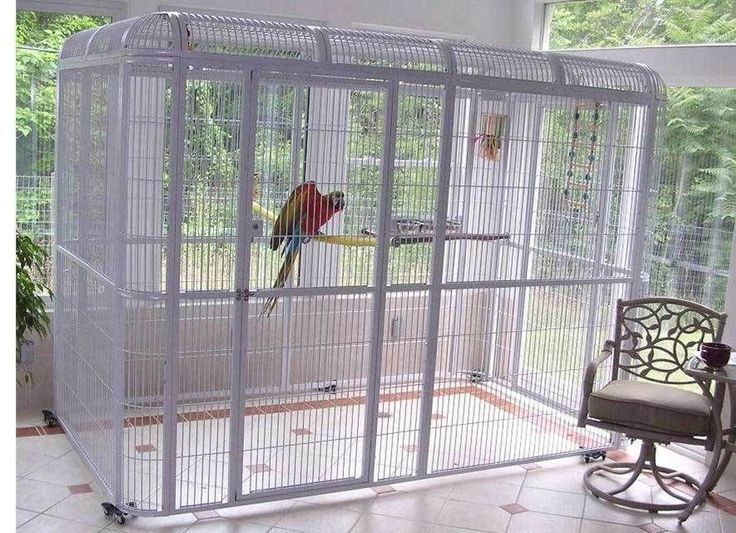
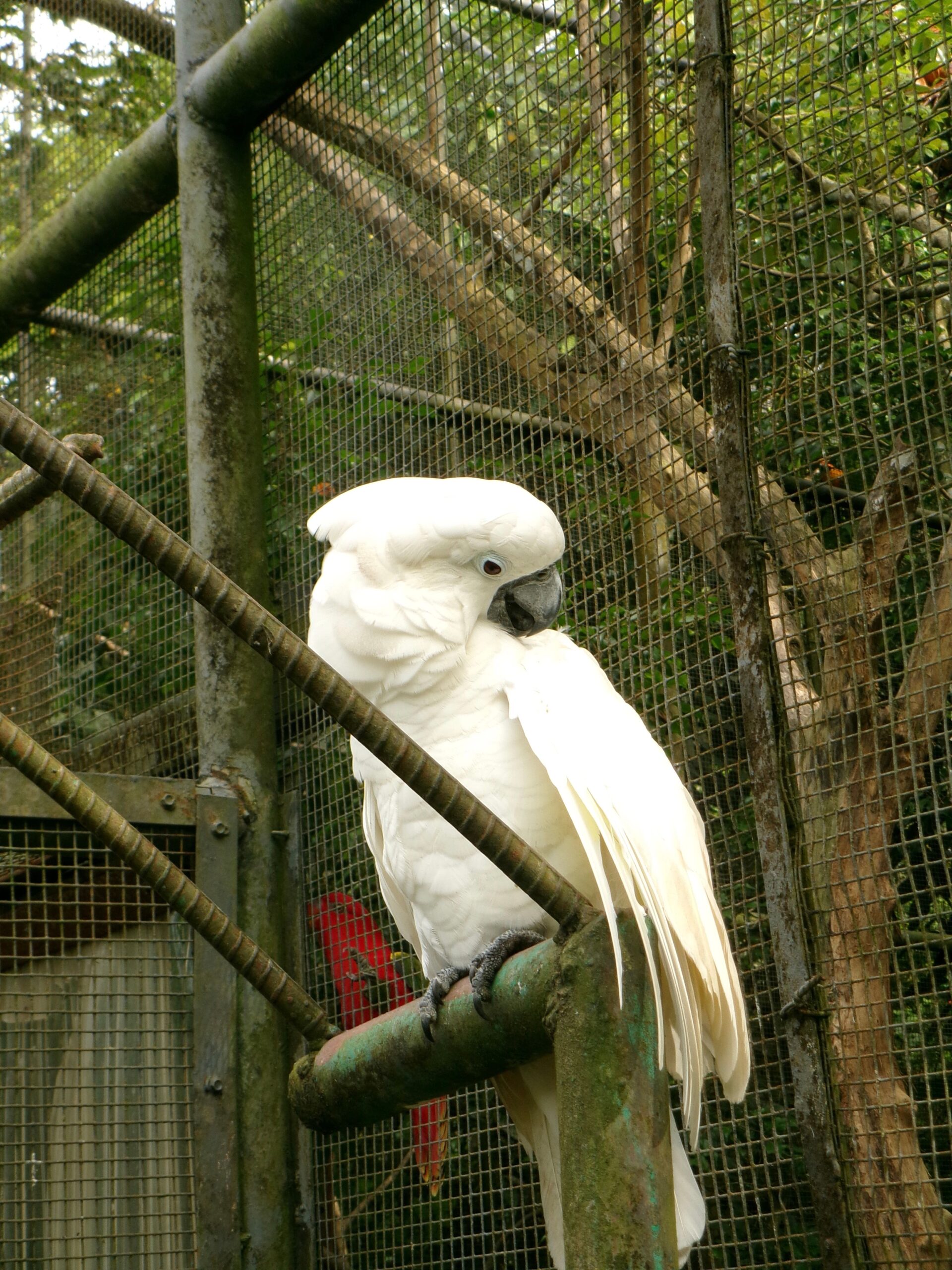
A cage is more than a place for your bird to sleep. It is their home, play space, dining room, and safe place. Even birds that spend several hours outside of their cage each day still need enough room to comfortably move, climb, stretch, play, and fully extend their wings.

When it comes to cages, bigger is almost always better, as long as the bar spacing is appropriate for your bird.

Little Loud Soul Bird Rescue • Education Library

7e462df6df9036ff00443c639fe8c759 Parrot Cages Bird Cages

Minimum Cage Size Guide

The measurements below are intended as a general guide for one bird. These are minimum recommended sizes for a permanent everyday cage, not travel or sleep cages.
Bird / SpeciesRecommended Minimum Cage SizeTypical Bar Spacing
Budgie / Parakeet24″ W × 18″ D × 24″ H3/8″–1/2″
Parrotlet24″ W × 18″ D × 24″ H3/8″–1/2″
Lovebird24″ W × 18″ D × 24″ H1/2″
Cockatiel24″ W × 20″ D × 30″ H1/2″–5/8″
Quaker / Monk Parakeet30″ W × 24″ D × 30″ H1/2″–5/8″
Green-Cheek Conure & Similar Small Conures30″ W × 24″ D × 30–36″ H1/2″–5/8″
Sun, Jenday & Similar Conures36″ W × 24″ D × 36″ H5/8″–3/4″
Caique36″ W × 24″ D × 36–48″ H5/8″–3/4″
Senegal / Meyer’s / Similar Poicephalus36″ W × 24″ D × 36–48″ H5/8″–3/4″
Indian Ringneck / Alexandrine36″ W × 24″ D × 48″ H5/8″–3/4″
African Grey36–40″ W × 30″ D × 48–60″ H3/4″–1″
Amazon40″ W × 30″ D × 48–60″ H3/4″–1″
Eclectus36–40″ W × 30–36″ D × 48–60″ H3/4″–1″
Small Cockatoo – Goffin’s, Bare-Eyed, etc.40″ W × 30″ D × 48–60″ H3/4″–1″
Umbrella / Moluccan Cockatoo48″ W × 36″ D × 60″+ H1″–1 1/2″
Mini Macaw36–40″ W × 30″ D × 48–60″ H3/4″–1″
Large Macaw48″ W × 36″ D × 60–72″+ H1″–1 1/2″


These are starting points, not maximums. If you have the space for something larger, go larger.

Width Matters

One of the most common mistakes we see is choosing a cage because it is very tall.

For parrots, usable width and depth are extremely important. A tall, narrow cage does not give a bird the same freedom of movement as a wide cage.

Your bird should be able to fully stretch and flap both wings without hitting:

  • the cage bars
  • toys
  • food bowls
  • perches
  • other cage accessories

Long-tailed species such as cockatiels and Indian Ringnecks also need enough room that their tail feathers are not constantly rubbing against the bars or floor.

Don't Forget the Toys!

Cage measurements can look huge when the cage is empty.

Then we add:

perches, food bowls, water bowls, swings, shredding toys, foraging toys and enrichment.

Suddenly, the bird has much less usable space.

When deciding whether a cage is large enough, picture it fully furnished, not empty.

Your bird should still have room to climb, stretch, flap and move comfortably after everything has been added.

Pexels Arthur Uzoagba 3061628 38979382 Scaled
Bar Spacing Is Just as Important as Cage Size

A huge cage is not safe if the bars are too far apart.

A bird that can fit its head partially or completely between the bars can become trapped and seriously injured. Bar spacing should be appropriate for the size of the individual bird, not just the cage manufacturer’s species label.

When in doubt, choose the safer, narrower spacing.

A Bigger Cage Doesn't Replace Out-of-Cage Time

Even a properly sized cage shouldn’t be your bird’s entire world.

Parrots benefit from supervised time outside of their cage for exercise, climbing, exploration, training, socialization and enrichment.

At the same time, being out of the cage frequently does not make an undersized permanent cage appropriate.

Your bird should have a comfortable home even when they need to spend time inside it.


What We Look for in a Cage

A good permanent cage should:

  • Give the bird plenty of horizontal room to move and stretch
  • Allow full wing extension without hitting the sides
  • Have safe bar spacing for the individual bird
  • Be made from bird-safe materials
  • Have secure doors and latches
  • Provide enough room for several appropriate perches
  • Provide room for toys and enrichment without becoming overcrowded
  • Be easy to clean and maintain
  • Be sturdy enough for the bird’s beak strength

Large parrots such as macaws and cockatoos also require cages with appropriately heavy-duty bars and locking mechanisms.


What About Two Birds?

Housing two birds together requires significantly more space than housing one bird.

Simply choosing a cage that meets the minimum size for one bird is not enough. Each bird needs room to move away from the other, access resources and maintain personal space.

Even bonded birds may need to be separated due to hormones, territorial behavior, illness or fighting, so every multi-bird household should have a safe way to house the birds separately if necessary.

Our Rule of Thumb

Choose the largest safe cage you realistically have room for.

Don’t shop for a cage based only on the picture, overall height or the species listed in the product description. Check the actual interior dimensions and bar spacing.

If you’re adopting from Little Loud Soul Bird Rescue and aren’t sure whether a cage is appropriate, send us the cage dimensions or product listing before purchasing. We’re happy to help you make sure your bird has a safe and comfortable home.

NUTRITION & DIET

Parrot Nutrition: Building a Healthy, Balanced Diet

Get a broader look at pellets, fresh foods, treats, and variety as part of a balanced diet.

NUTRITION & DIET

Fresh Foods & Chop: Adding Variety to the Bowl

Explore fresh ingredients, chop preparation, storage, and ways to encourage your bird to try new foods.

Educational Disclaimer

The information provided by Little Loud Soul Bird Rescue is intended for general educational purposes and is not a substitute for veterinary care. Every bird is different. Always consult a qualified avian veterinarian regarding your bird’s individual health and nutritional needs.