POPULAR RESOURCE
Broken Blood Feather
💡 QUICK ANSWER
What Is a Blood Feather?
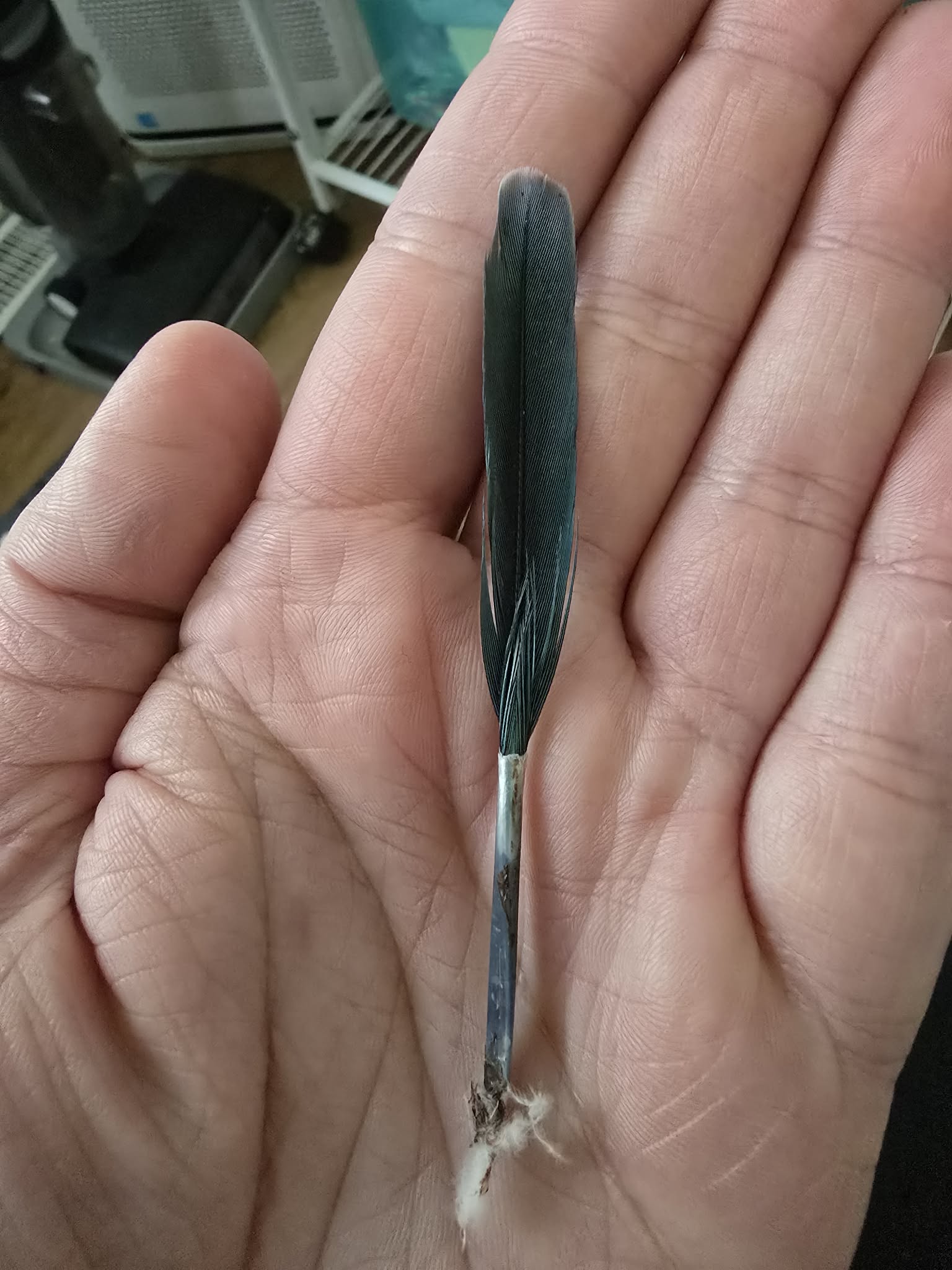
How Can I Tell if One Is Broken?
DON'T AUTOMATICALLY PULL THE FEATHER
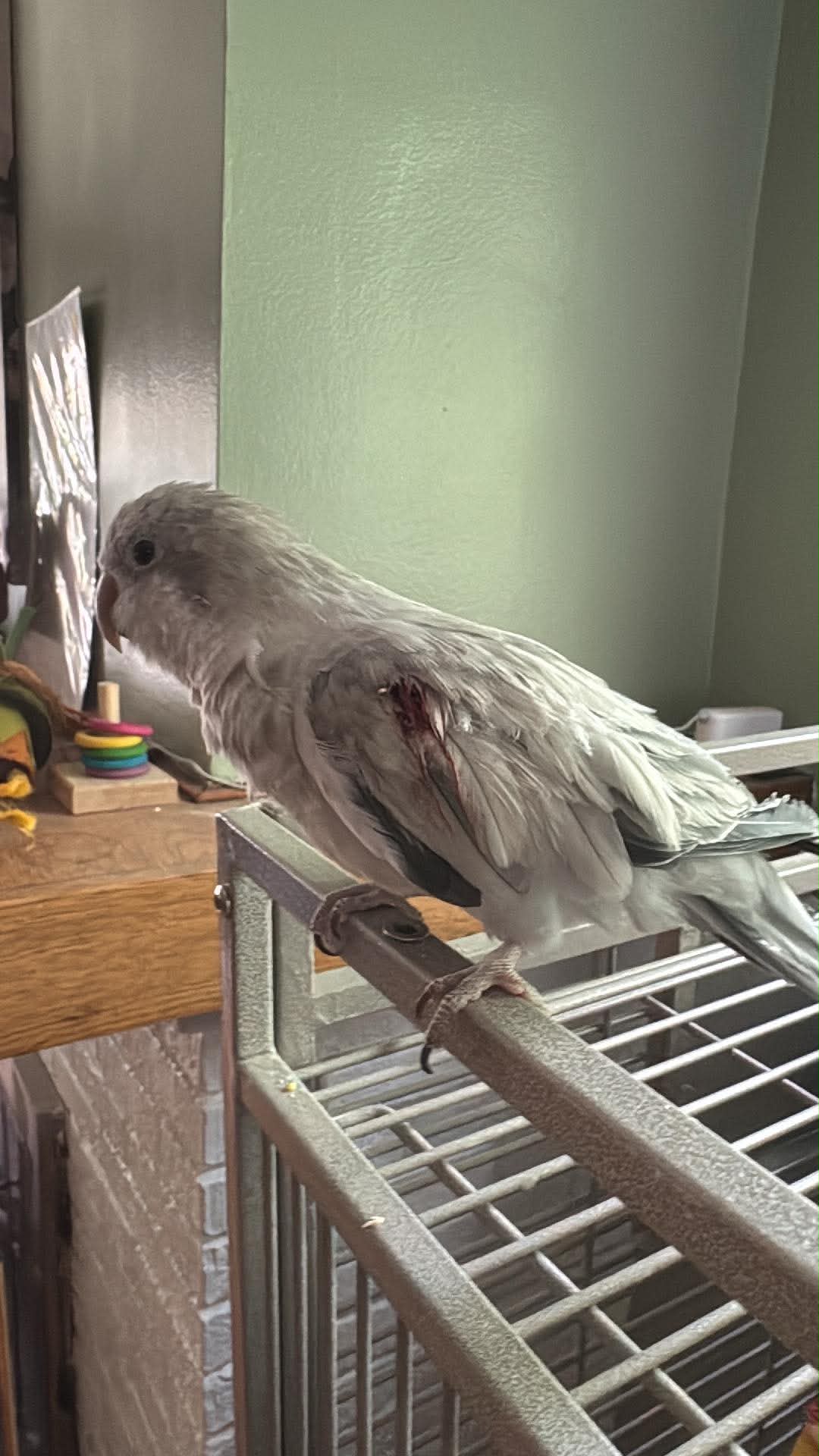

Blood feathers are new, growing feathers that still have an active blood supply. If one becomes damaged or broken, it can bleed and may require prompt attention.
A broken blood feather can sometimes cause significant bleeding. Keep your bird calm, apply gentle direct pressure to the bleeding area with clean gauze, and contact an avian veterinarian if the bleeding is heavy, continues, restarts, or your bird appears weak or unwell.
When a new feather grows in, blood flows through the feather shaft to support its development. During this stage, the feather is often called a blood feather or growing feather.
Once the feather finishes developing, the blood supply recedes and the shaft becomes hollow. While it’s still growing, however, breaking the feather can damage the blood supply and cause bleeding.
You may notice:
🩸 Blood on the feathers or cage
A damaged growing feather may leave fresh blood on surrounding feathers, perches, or the bottom of the cage.
🪶 A visibly damaged feather
The feather shaft may look cracked, bent, or broken.
👀 Your bird bothering the area
Some birds repeatedly pick at or preen a painful or damaged feather, which can cause bleeding to restart.
1. Keep Your Bird Calm
Reduce activity and excitement. Flying, struggling, or excessive handling can make bleeding worse.
2. Apply Direct Pressure
Use clean gauze to apply gentle, steady pressure to the bleeding site. Avoid repeatedly lifting the gauze to check, since this can disturb clot formation.
3. Monitor Closely
Even if the bleeding stops, continue watching your bird and the damaged feather for renewed bleeding.
4. Contact Your Avian Vet
If bleeding doesn’t stop promptly, is significant, repeatedly starts again, or you cannot identify where it’s coming from, seek veterinary care.
Removing a blood feather is not automatically the appropriate first step and can cause additional pain, tissue damage, or bleeding if done incorrectly. If a feather needs to be removed, an avian veterinarian can determine that and remove it safely.
Seek urgent veterinary care if bleeding is heavy or persistent, keeps restarting, or your bird becomes weak, unusually quiet, lethargic, has difficulty perching, develops breathing changes, or otherwise appears unwell.
Because birds have relatively small blood volumes, significant blood loss can become serious quickly, particularly in smaller birds.